 12:02
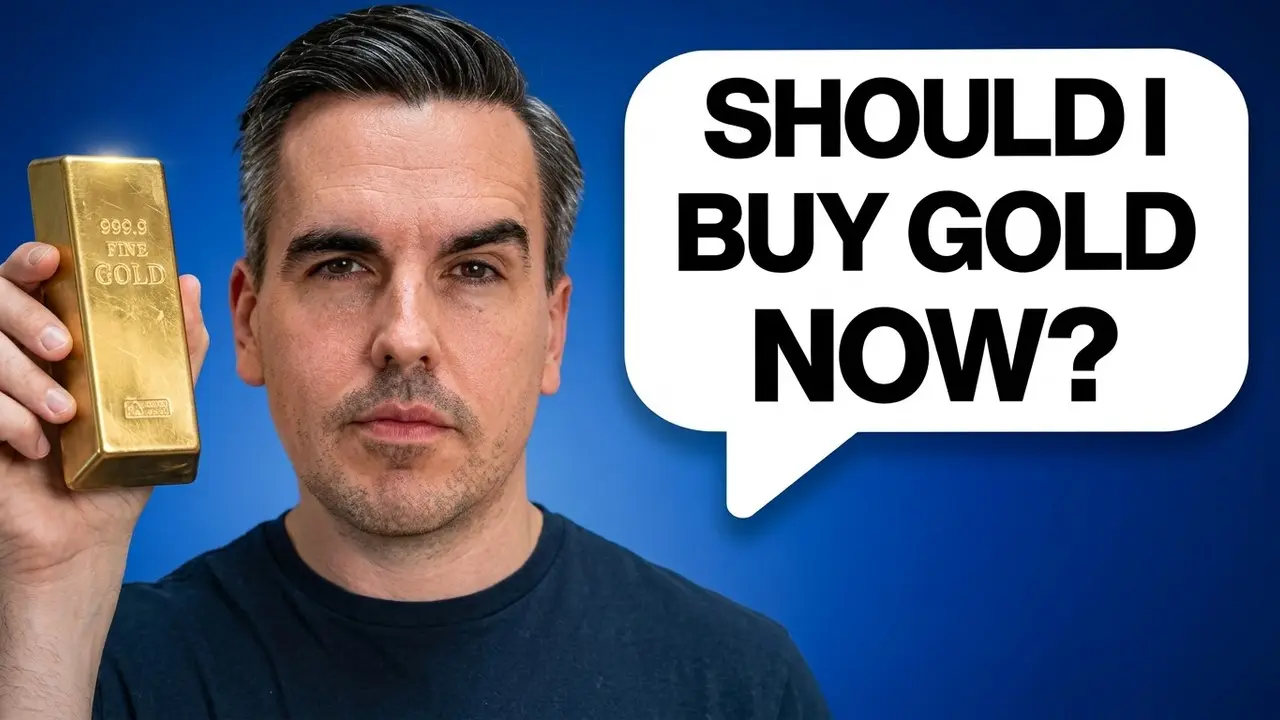
12:02 Is Gold a Good Investment? Central Banks' Reason Isn't Yours
Gold returned 1.3% a year after inflation since 1900, against 6.6% for US stocks. Central banks buy it to insure a reserve, and that is not your risk. Episode 3 of Ask a Banker.
Around ten minutes each. One idea from the institutional side of the desk, explained so you can use it. New videos every Tuesday.
Subscribe on YouTube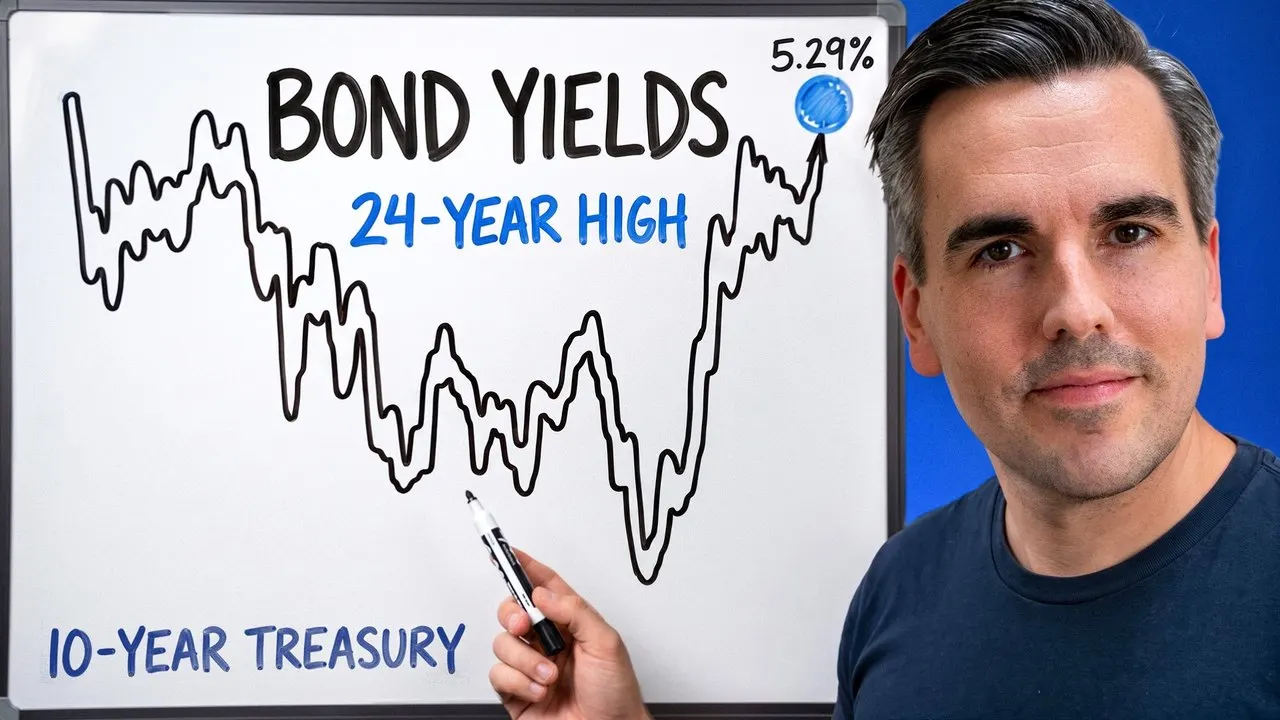
Why Are Interest Rates So High in 2026? Debt, Inflation or the Fed
Most recent
Why did US interest rates jump in 2026? Debt, inflation and the Fed checked against the data, and what it means for your mortgage, your cash and the bonds you own. Episode 1 of Everyone Says.
15:14
Read the written version 12:02 Gold returned 1.3% a year after inflation since 1900, against 6.6% for US stocks. Central banks buy it to insure a reserve, and that is not your risk. Episode 3 of Ask a Banker.
 12:07
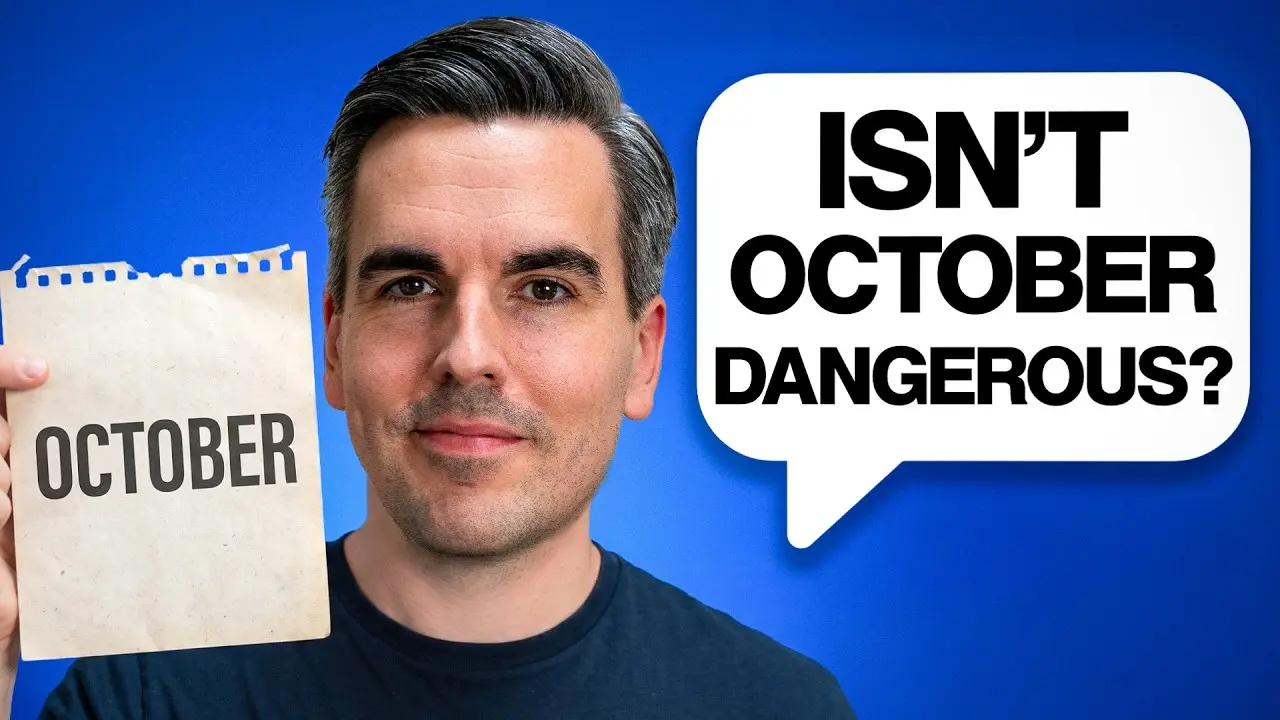
12:07 October has the famous crashes, but since 1928 another month has been the weakest of the year, and nobody can explain why. Why autumn is loud rather than dangerous. Episode 2 of Ask a Banker.
 12:30
12:30 Housing and stocks both returned about 7% a year over 145 years, and housing was the calmer one. So why do most people still do better with stocks? The first episode of Ask a Banker.
 6:38
6:38 The five questions a banker runs before buying any single stock — and why most buys never get past the first one, which is not about the stock at all. The finale of Money Decisions.
 9:06
9:06 The three reasons a professional accepts for selling — a broken rebalancing band, a changed life, a broken thesis — and the one page that makes the decision before the bad evening arrives.
 7:35
7:35 How many ETFs do you actually need? Fewer than most people hold. An S&P 500 fund and a world fund sound like different things, yet nine of their ten largest positions are the same company. A banker walks through the test that decides whether a fund earns its place — and the honest limit on the other side.
 6:03
6:03 How much of your money belongs in stocks? Most people answer with a gut feeling. A banker separates two things the feeling confuses: how much risk you can handle, and how much you can afford — and only one of them should be setting your allocation.
 6:10
6:10 A lump sum lands — do you invest it all at once, or spread it out with dollar-cost averaging? What Vanguard's data actually says, when the question truly matters, and the one good reason to spread it out anyway.
 7:35
7:35 Renting versus buying is treated as one question. It is two. The money half everyone answers — and the half a bank checks first: leverage, liquidity, concentration, time. A 20% deposit is five-to-one, and a 10% fall takes half your equity.
 7:04
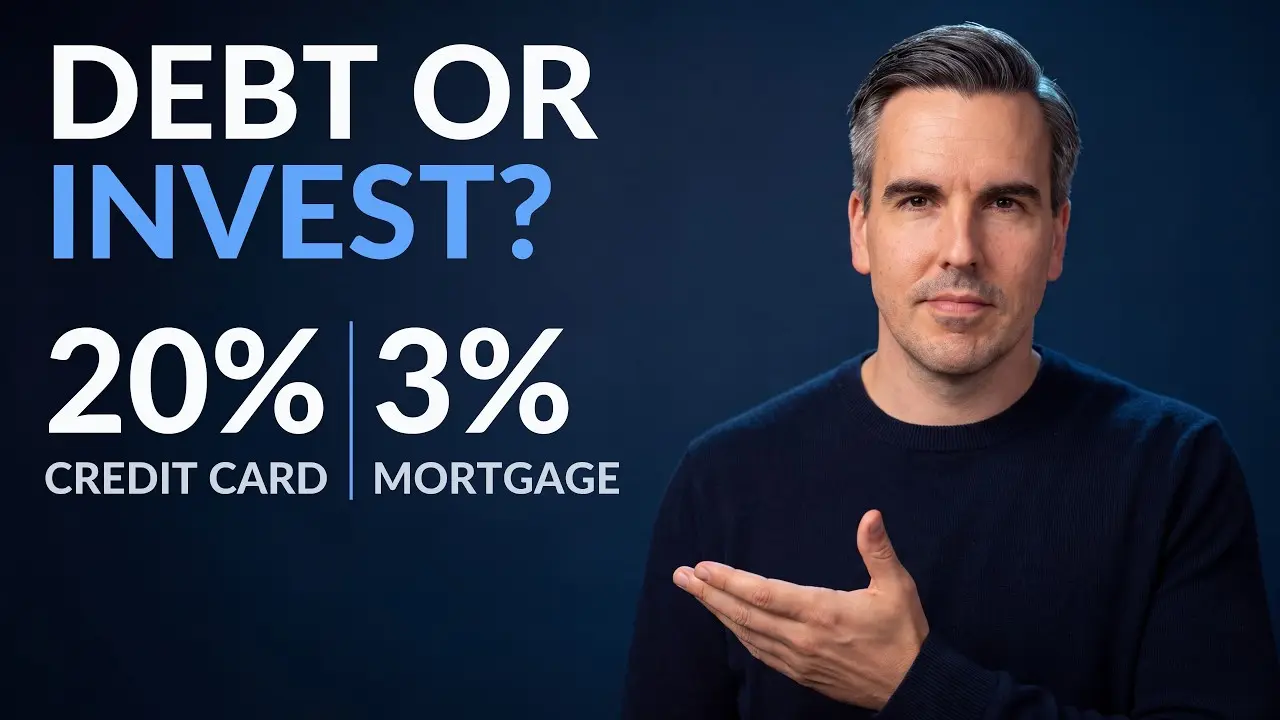
7:04 Profitable companies sit on cash and still borrow. They are not asking whether debt is good or bad — they are asking what it costs against what the money can earn. Here is that spread applied to your own debt, and the one place where copying a corporation is a mistake.
 5:53
5:53 "Three to six months of expenses" sounds clean and is too vague to use. Size the buffer on your fixed costs — not your total spending — then multiply by how fragile your income actually is. And know the ceiling: above it, cash has no job.
 11:18
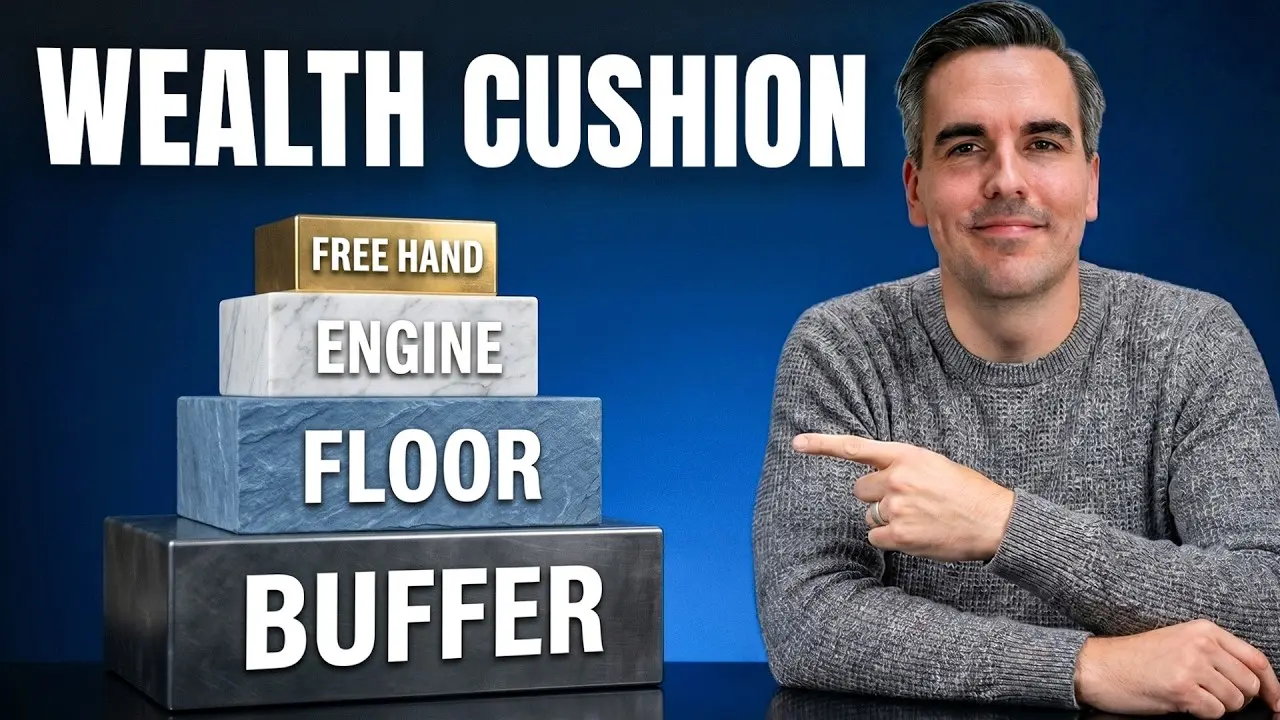
11:18 The finale of How Money Really Moves. The four-layer wealth cushion — Buffer, Floor, Engine and Free Hand — where each layer kills one specific fear, plus the build order that lets money stop being a source of panic.
 11:07
11:07 How money is actually created, why the supply must keep growing, and why a savings account quietly loses ground every year — by design, not by accident.
 10:49
10:49 Payment for order flow, spreads, and best execution. Where the cost of a 'free' trade is actually hiding.
 13:09
13:09 Street-name registration, custodians, and the chain between you and the share you think you hold. What beneficial ownership actually means.
 12:39
12:39 Net interest margin, fees, and the float. Where a bank's profit really comes from — and why your deposit rate looks the way it does.
 10:11
10:11 Swiss authorities wrote CHF 16bn of AT1 bonds to zero while shareholders were paid. The mechanical trigger never fired — a regulator's judgement did.
 10:40
10:40 A pension strategy designed to reduce risk nearly destroyed the UK bond market in 72 hours. How LDI turned safety into a margin call.
 10:27
10:27 A synthetic ETF does not own what it tracks. It owns a promise from a bank. Usually that is fine — here is when it is not.
 12:03
12:03 Same off-balance-sheet trick, same audit pass, fourteen years apart. Why 'audited' does not mean safe.
 12:32
12:32 Two Nobel laureates, a flawless model, and a fund that lost 90% in four months. What LTCM teaches about the tail risk no model can price.
 8:12
8:12 The boring three-check routine professionals run before every trade. Boring is the point.
 9:24
9:24 The three questions professionals ask before they sell. The price is not one of them.
 9:01
9:01 Your stop-loss is visible. Liquidity hunters know exactly where it sits, and why that matters more than you think.
 13:05
13:05 The finale. Institutions do not win through access — they win through rules. The system behind $50 trillion, and how to copy it.
 10:55
10:55 The derivatives market is quoted at $846 trillion, and the number is almost meaningless. What it really measures.
 13:37
13:37 Bitcoin is often sold as digital gold. Its actual correlation behaviour says otherwise — and BlackRock's own framing shows it.
 10:31
10:31 Central banks are buying gold at record levels while most institutional portfolios hold none. Both can be right — here is why.
 7:48
7:48 REITs or bricks? What institutional allocators actually own when they want property exposure — and why.
 8:26
8:26 Forced selling is what turns a correction into a crash. How margin calls cascade — and how not to be in the cascade.
 7:09
7:09 Index funds versus mutual funds. The cost difference is small, certain, and compounds against you for decades.
 10:17
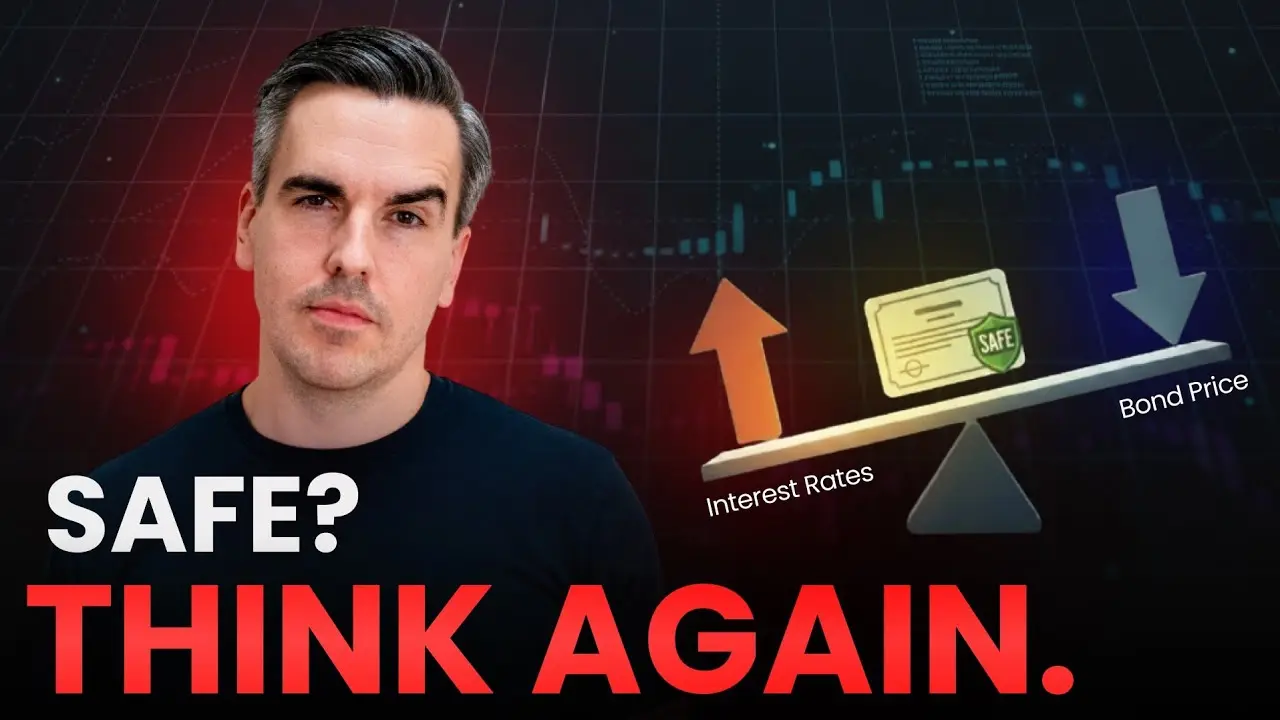
10:17 Bonds are the 'safe' asset — until they are not. What actually happens when a bond goes to zero overnight.
 9:49
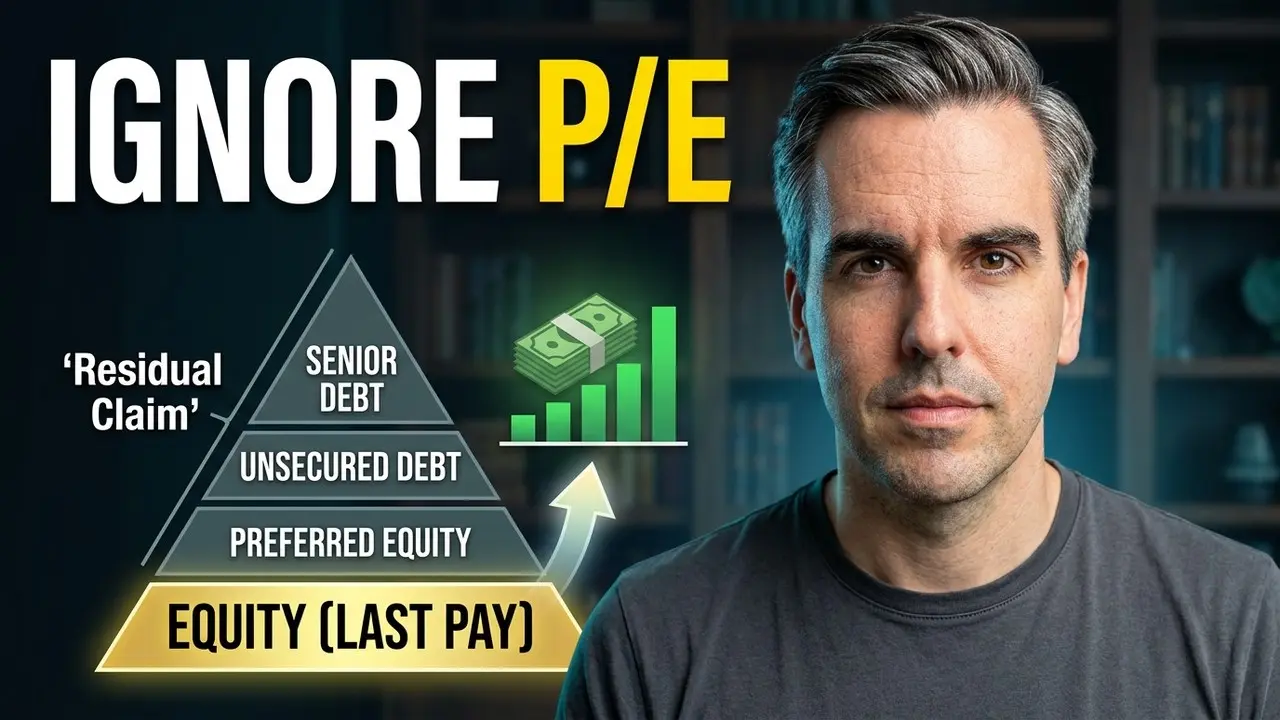
9:49 Why the P/E ratio tells you far less than you think, and what professionals look at instead.
 10:00
10:00 The four-step audit a banker runs on any ETF — and why it filters out most of what is on the shelf.
 7:32
7:32 The three-bucket structure: how a banker separates money that must be safe from money that can grow.
 9:25
9:25 Why financial resolutions collapse by February — and the structural fix professionals use instead of willpower.