Series
Investing in Real Life Scenarios
The decisions people actually face rather than the ones textbooks pose. Stop-losses, forced selling, when to sell, and the boring routines professionals run instead of relying on nerve.
6 episodes
Episodes
-
Episode 1
Your Resolution Will Fail by February—Here's Why
Why financial resolutions collapse by February — and the structural fix professionals use instead of willpower.
-
Episode 2
My 2026 Investment Strategy: 3 Buckets a Banker Uses to Build Wealth
The three-bucket structure: how a banker separates money that must be safe from money that can grow.
-
Episode 3
How $50 Trillion in Forced Selling Crashed the Market
Forced selling is what turns a correction into a crash. How margin calls cascade — and how not to be in the cascade.
-
Episode 4
Your Stop-Loss Has a Price Tag (And Liquidity Hunters Know Exactly Where)
Your stop-loss is visible. Liquidity hunters know exactly where it sits, and why that matters more than you think.
-
Episode 5
When to Sell an Individual Stock: The 4 Kill Criteria a Fund Manager Uses
The three questions professionals ask before they sell. The price is not one of them.
-
Episode 6
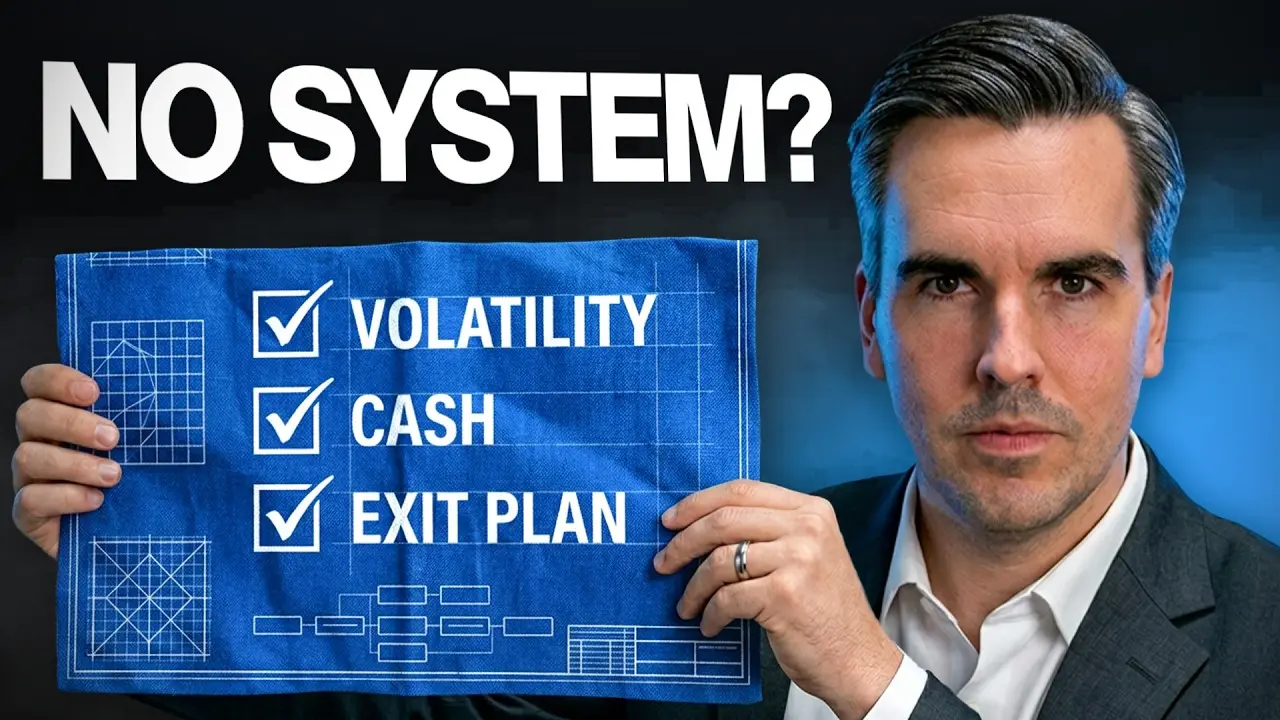
No System? The Boring 3-Check Routine Professionals Run Before Every Trade
The boring three-check routine professionals run before every trade. Boring is the point.