Series
Money Decisions
One decision. One framework. No noise. Eight episodes on the questions that actually change the outcome — cash or invested, debt or invest, rent or buy, how much risk.
8 episodes Series complete
Next series: Ask a Banker →
Episodes
-
Episode 1
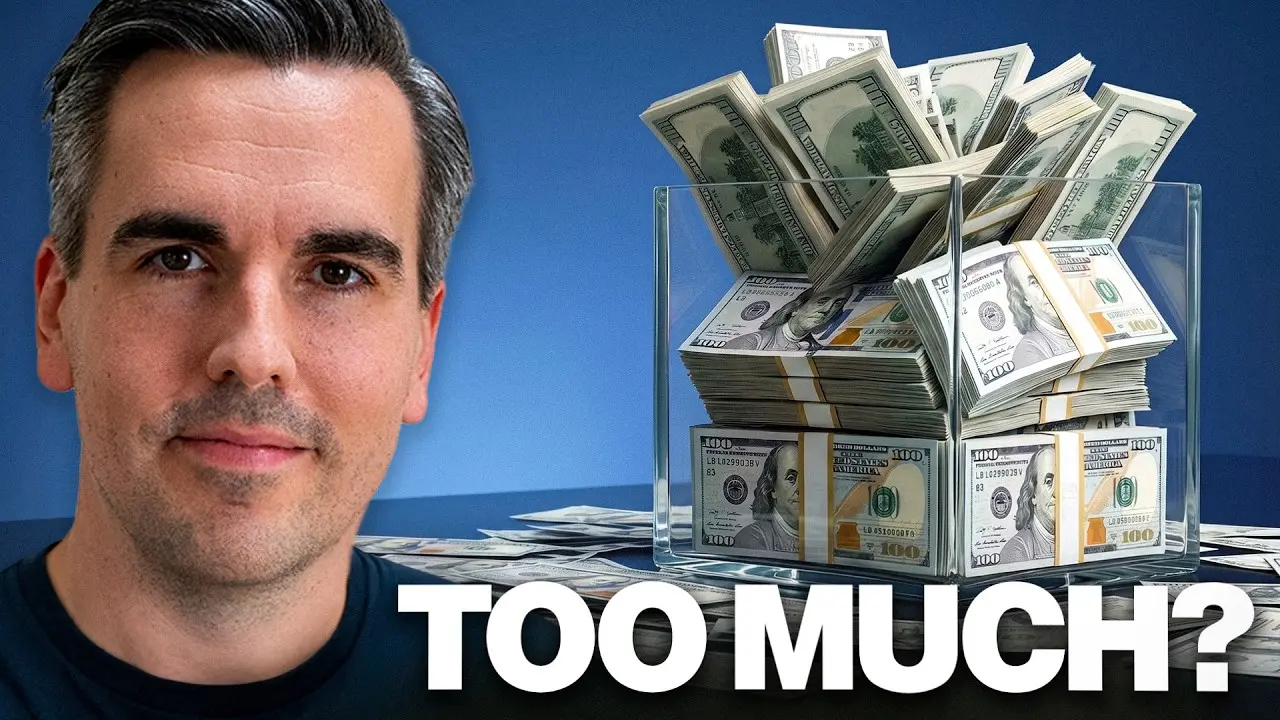
How Much Emergency Fund Do You Really Need? (Banker Explains)
"Three to six months of expenses" sounds clean and is too vague to use. Size the buffer on your fixed costs — not your total spending — then multiply by how fragile your income actually is. And know the ceiling: above it, cash has no job.
-
Episode 2
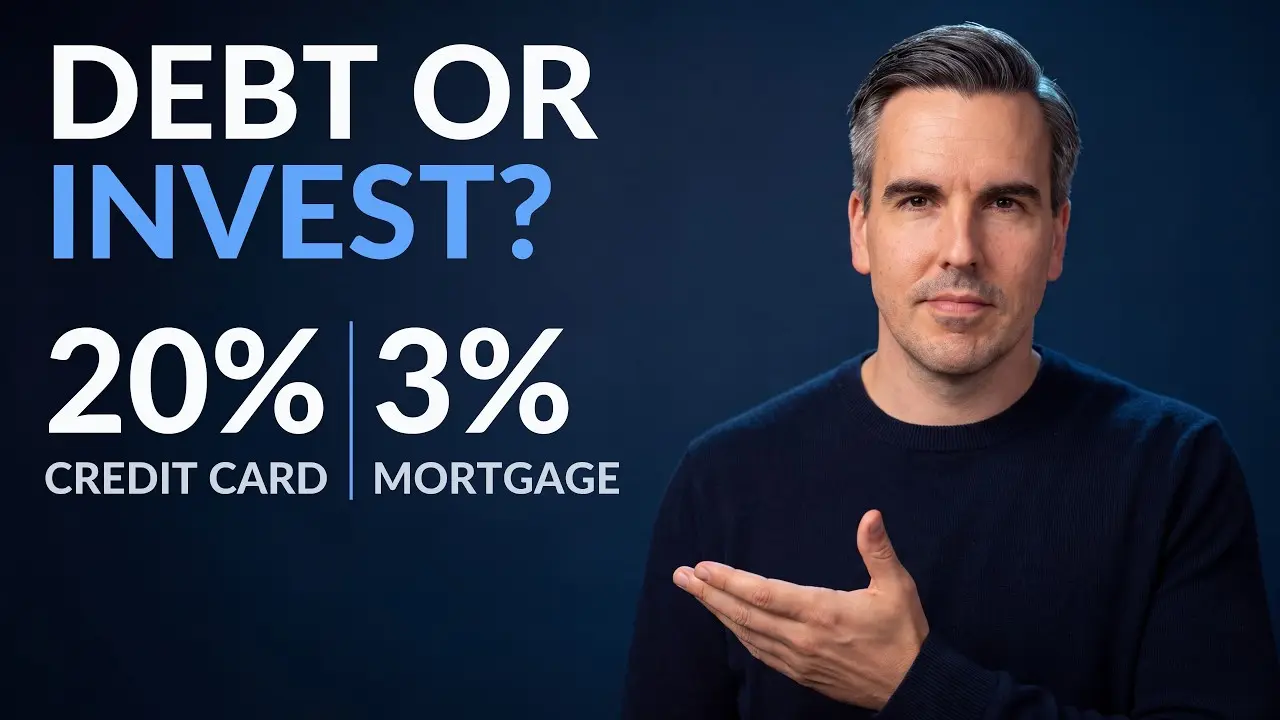
Pay Off Debt or Invest? Why Companies With Billions Still Borrow
Profitable companies sit on cash and still borrow. They are not asking whether debt is good or bad — they are asking what it costs against what the money can earn. Here is that spread applied to your own debt, and the one place where copying a corporation is a mistake.
-
Episode 3
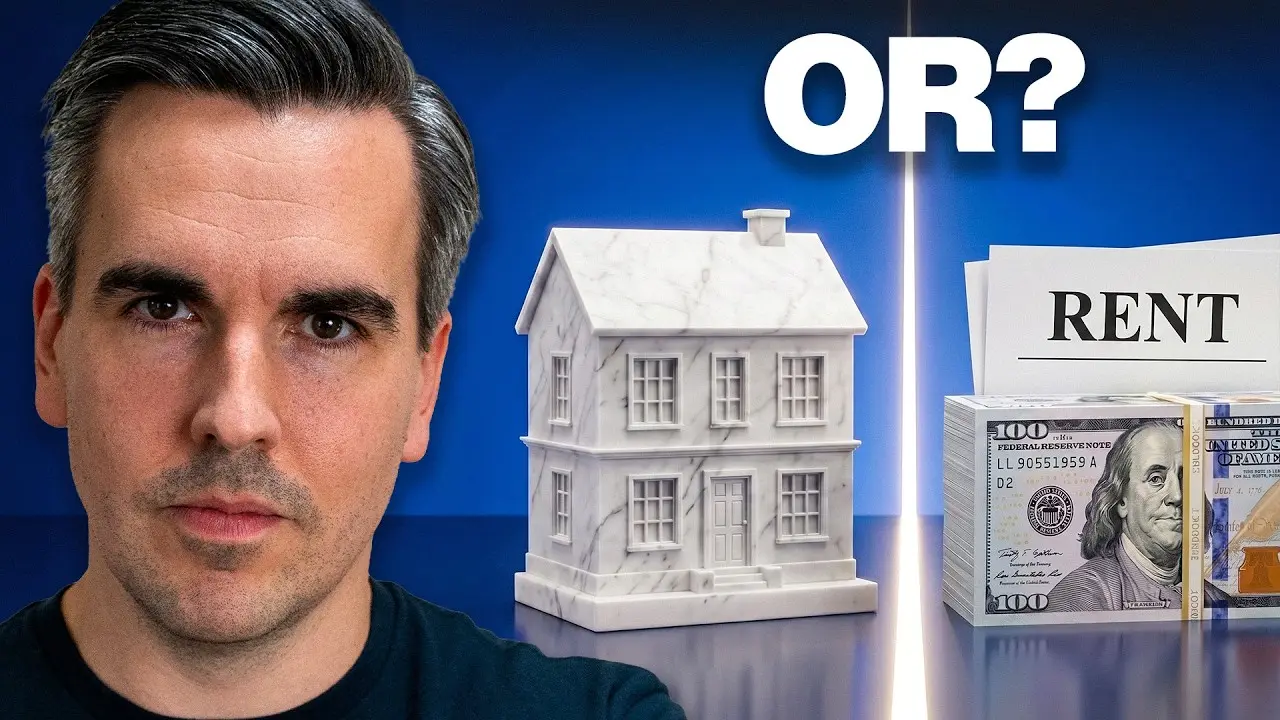
Renting vs Buying a Home: A Banker Explains the 5x Leverage Bet
Renting versus buying is treated as one question. It is two. The money half everyone answers — and the half a bank checks first: leverage, liquidity, concentration, time. A 20% deposit is five-to-one, and a 10% fall takes half your equity.
-
Episode 4
Lump Sum vs Dollar Cost Averaging: Which Wins? (Banker Explains)
A lump sum lands — do you invest it all at once, or spread it out with dollar-cost averaging? What Vanguard's data actually says, when the question truly matters, and the one good reason to spread it out anyway.
-
Episode 5
Asset Allocation by Age Isn't Enough: What a Bank Checks Instead
How much of your money belongs in stocks? Most people answer with a gut feeling. A banker separates two things the feeling confuses: how much risk you can handle, and how much you can afford — and only one of them should be setting your allocation.
-
Episode 6
How Many ETFs Do You Need? Why 5 Can Be Less Diversified Than 1 (Explained by a Banker)
How many ETFs do you actually need? Fewer than most people hold. An S&P 500 fund and a world fund sound like different things, yet nine of their ten largest positions are the same company. A banker walks through the test that decides whether a fund earns its place — and the honest limit on the other side.
-
Episode 7
When to Sell Stocks: 3 Good Reasons, and the Price Isn't One
The three reasons a professional accepts for selling — a broken rebalancing band, a changed life, a broken thesis — and the one page that makes the decision before the bad evening arrives.
-
Episode 8
Should You Buy That Stock? 4% of Companies Made All the Gains (Explained by a Banker)
The five questions a banker runs before buying any single stock — and why most buys never get past the first one, which is not about the stock at all. The finale of Money Decisions.